The Kilos You Didn't Spend: Auditing the Carbon Maths Behind a UK Swap
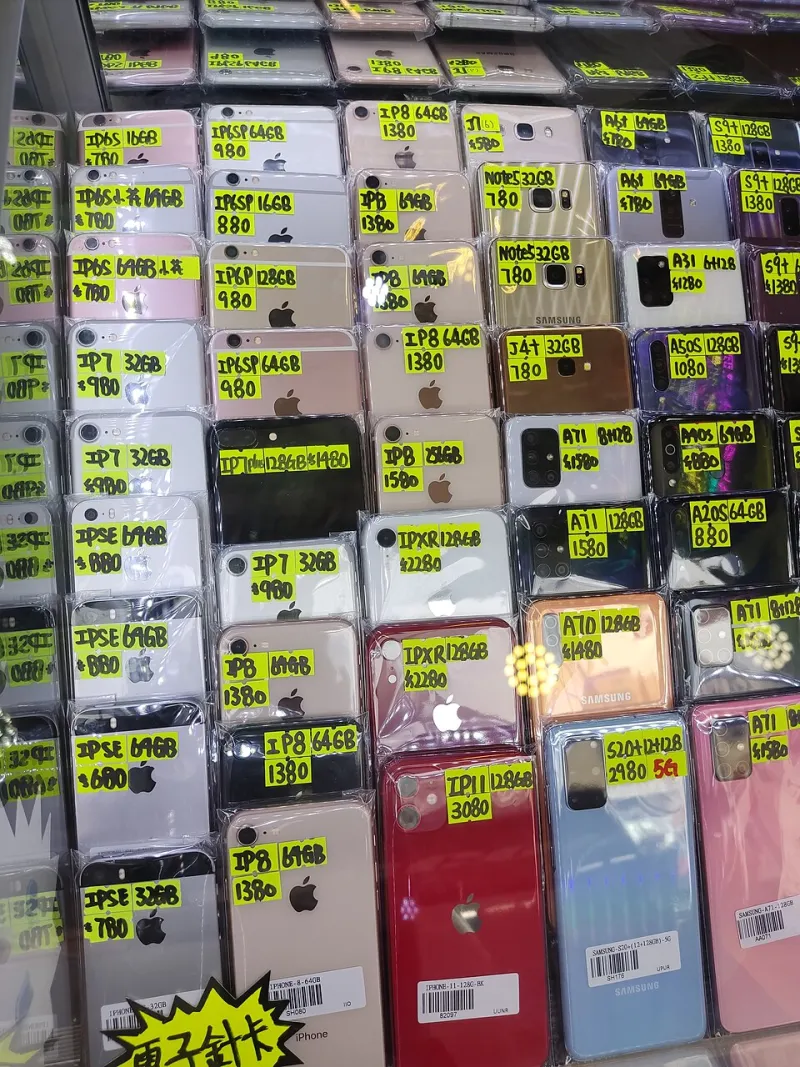
Photo: YATBAOINGAI Menrem, CC BY-SA 4.0, via Wikimedia Commons
In 2026, 'carbon saved' badges are everywhere. They sit under second-hand phones on resale apps, in clothing swap newsletters and on the side of refurbished kettles. The intention is good. The maths is often mush. A swap is not automatically a carbon win. It depends on what you would have done otherwise, how the item travels, how long it stays in use and whether saving money on one thing nudges you to spend on another.
Think of it as a carbon receipt. A real till receipt is itemised, includes VAT and tells you what you actually paid. A good carbon receipt should do the same: show the lines that matter, admit the uncertainty and avoid one heroic headline number.
What the receipt is trying to measure
When you swap instead of buying new, the main saving is usually avoided manufacturing. A new phone, laptop, coat or kettle has already burned energy and materials before it reaches you. Keep an existing one in use and you may avoid some of that. But there are three scenarios, not two:
- You swap instead of buying new. This is where most savings sit.
- You swap instead of doing nothing. If the item was going to sit in a drawer anyway, the saving is close to zero.
- You swap and then buy something else because you feel virtuous. That is the rebound effect, and it can eat the gain.
Most platform claims quietly assume the first scenario. A fair receipt should say so.
Four lines on every carbon receipt
A useful summary needs at least four lines: avoided production, transport, repair and disposal. Avoided production is the big one for electronics and clothing. Transport is small but real: a courier van is not free, even when postage is. Repair and refurbishment add emissions upfront but can extend life, which is often the better trade. Disposal is usually tiny and uncertain — landfill avoidance sounds good, but the carbon difference between a responsible tip and a kerbside collection is rarely the main event.
The receipt should also show a range, not a single figure. Carbon accounting is not lab chemistry. A range tells you the claim has been thought about.
Phones and laptops: where the savings actually sit
For a smartphone, most lifetime emissions happen before first use. That is why swapping a working handset can be genuinely useful. If the swap displaces a new mid-range phone, you may avoid tens of kilos of CO2e. But the receipt needs caveats. A tired battery may need replacing, which adds emissions and cost. A courier journey adds a little. A phone that becomes a spare in a drawer saves very little because it is not replacing anything.
Laptops follow a similar pattern, with one extra wrinkle: older machines can be less efficient in use. A second-hand laptop that guzzles electricity may erode its manufacturing saving over several years. For UK households watching energy bills, that matters. The greenest laptop is often the one already built and still used — but only if it is used well.
Clothes and small appliances: the use-phase surprise
Clothing is where feel-good maths gets slippery. A swapped jumper avoids new production, which is good. But washing and drying can dominate a garment's lifetime footprint. If the swap encourages you to wash more often, tumble dry or treat the item as disposable fashion, the saving shrinks. The honest line is not 'this swap saved X kilos'. It is 'this swap avoided production, assuming you wear it and wash it sensibly'.
Small appliances are similar. A second-hand kettle or toaster avoids some manufacturing emissions, but use-phase electricity often matters more. A swapped kettle that gets overfilled every morning can undo the good work. The carbon receipt should include a gentle note: the swap is the start of the saving, not the whole story.
The transport and storage trap
Delivery is the line most likely to be ignored. A meet-up two streets away is very different from a courier trip across the country. Packaging adds a little more. Storage matters too: a damp garage or a loft that cooks in summer can shorten an item's life, turning a carbon saving into a repair bill.
UK swappers should ask whether the claimed saving includes transport. If it does not, treat it as a gross figure, not a net one.
Rebound: the line most receipts leave out
Saving money is the point of swapping. But saved money gets spent. If a swap frees up £80 and you book a weekend away, the carbon maths changes. That does not make swapping pointless. It means the receipt should distinguish gross avoided emissions from net impact after likely rebound. A simple confidence label — low, medium or high — is more honest than a badge that says '5kg saved' with no context.
What a fair WeSwap-style summary could look like
Platforms could adopt a compact, standard block without greenwashing. It might read:
Estimated carbon impact: 12–24 kg CO2e avoided compared with buying a new equivalent. Includes: avoided production, delivery by courier, one repair logged in the listing. Not included: rebound spending, changes in use-phase energy. Confidence: medium, because the listing says you would otherwise have bought new. If you would not have bought new: treat the saving as zero.
That last line is the one that builds trust. It admits the counterfactual and stops a clever swap from becoming a carbon fairy story.
How to sanity-check any swap carbon claim
Ask five questions. What is the counterfactual? Is the figure a range? Does it include delivery and packaging? Does it assume a certain lifetime? Does it mention rebound? If a platform cannot answer at least three of those, the number is probably marketing, not measurement.
The bottom line
Swapping is still one of the simplest circular habits available to UK households. But 'second-hand' is not a synonym for 'carbon-free'. The best swaps displace new production, keep useful things in use and do not spark extra consumption. Ask for the itemised receipt. A carbon claim you can audit is worth more than a badge you cannot.