The Front Door Swap: What WeSwap Is and How to Start Swapping Smarter in the UK
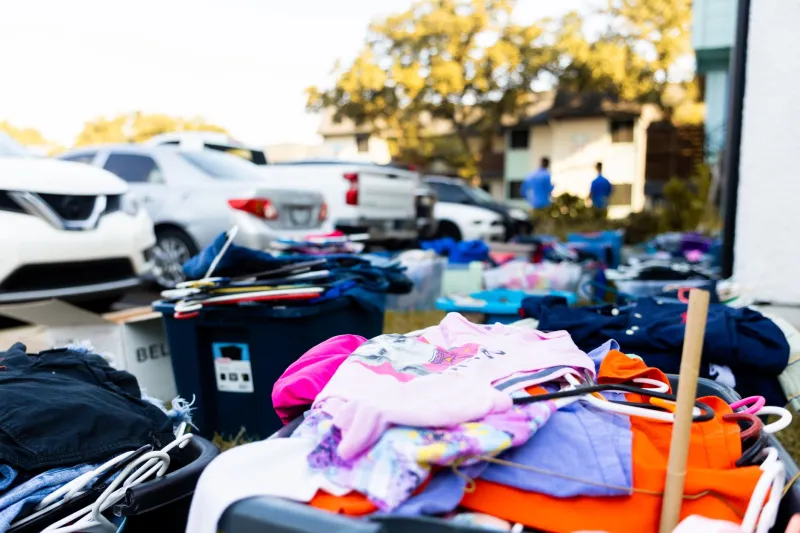
If you’ve landed here, you’re probably wondering what WeSwap actually is — or you clicked a link expecting a homepage and got an article instead. Either way, welcome. Think of this as the front door: a quick, no-nonsense guide to what we do, why swapping makes sense in 2026, and how to get started without tripping over the usual second-hand pitfalls.
So, what is WeSwap?
WeSwap is a UK tech platform for people who’d rather trade than buy new. We cover the practical side of the circular economy: swapping gadgets, clothes, homeware and skills, plus the digital resale trends that make it all work. We’re not a marketplace ourselves — we’re the bit that helps you understand how swapping fits into real life. That means guides, industry deep dives and seasonal advice, all written for a UK audience.
If you’ve ever stood in front of a cupboard full of things you don’t use and thought “someone else could make better use of this”, you’re in the right place.
Why swapping is having a moment in the UK
The cost of living hasn’t exactly calmed down, and neither has the appetite for buying new stuff we barely need. In 2026, swapping has moved from a niche hobby to a genuinely mainstream habit. Local swap groups are busy, workplace barter shelves are popping up in offices, and even the big resale apps are starting to feel more like swap platforms with a checkout button.
There’s also the environmental angle. Every item you swap is one less thing manufactured, packaged and shipped. The UK throws away millions of tonnes of usable goods every year — not because they’re broken, but because they’re inconvenient to pass on. Swapping fixes the inconvenience.
And then there’s the quiet thrill of it. A good swap feels like a small win: you clear space, someone else gets what they need, and money stays in your pocket.
The three types of swap you’ll actually use
Not all swaps are created equal. In our experience, most UK swaps fall into one of these buckets:
- The direct trade. You have a spare monitor, they have a spare desk lamp. You meet, you swap, everyone goes home happy. Simple, but relies on finding the right person.
- The chain swap. You pass something on for free or for a favour, and later someone passes something on to you. It’s less transactional and more community-minded — think Freecycle, local WhatsApp groups, or a neighbour’s “free to a good home” post.
- The digital resale swap. You sell an item and use the cash to buy something second-hand. It’s not a swap in the purist sense, but it’s the same circular loop. Platforms like Vinted, eBay and local Facebook groups have made this the default for a lot of people.
WeSwap covers all three, because in reality most of us mix and match.
How to make your first swap without the faff
The first swap is always the hardest. Here’s a short checklist that saves a lot of grief:
- Start with one thing. Don’t try to clear the whole loft in a weekend. Pick a single item you’re genuinely ready to part with. A phone you’ve replaced, a coat you never wear, a coffee machine that’s been in the cupboard since 2023.
- Grade it honestly. If it’s scratched, say so. If the battery is tired, say so. The best swaps are the ones where both people know exactly what they’re getting.
- Wipe your tech. If you’re swapping anything with a screen or a login, factory reset it before handover. This is non-negotiable.
- Document the handover. A quick photo of the item and a message confirming the swap is enough. It’s not about distrust — it’s about having a record if something goes wrong.
- Meet safely. Public places, daylight, and someone knowing where you are. The same rules you’d use for any online sale apply here.
None of this is glamorous, but it’s the difference between a swap that sticks and one that puts you off for good.
What to swap (and what to skip)
Almost anything can be swapped, but some categories are smoother than others. Tech is always in demand — phones, tablets, monitors, cables, smart home bits. Clothing and accessories move quickly if they’re clean and in season. Homeware, tools and kitchen gadgets do well in local groups where collection is easy.
A few things are trickier: anything with safety implications (car seats, old electricals with damaged cables), anything that’s hard to test, and anything with a subscription attached. Not impossible, just worth a second thought.
The digital bit: why apps matter
The UK’s circular economy is increasingly app-shaped. Digital product records, repair scores and resale histories are becoming part of how we value second-hand goods. We’ve written before about why provenance and paperwork matter — the short version is that the better the story behind an item, the easier it is to swap or sell.
You don’t need to be a spreadsheet person to benefit. A simple photo album of receipts, serial numbers and condition notes is enough to make your swap listing more attractive — and to protect you if there’s a dispute later.
Where to go next
If you’re new here, the best next step is to pick a category and have a browse. Our Swapping Guides are the practical stuff — how to test, how to price, how to hand over without it being weird. The Industry Deep Dive section is for the bigger picture: policy, trends and the technology shaping resale. Seasonal Swapping is where we look at what’s worth trading right now.
And if you only remember one thing: swapping isn’t about being perfect. It’s about doing one small, useful thing instead of buying new. The rest follows.
Swap smarter. Live greener.