Cardboard Insurance: The Quiet Cost of Hoarding Tech Packaging
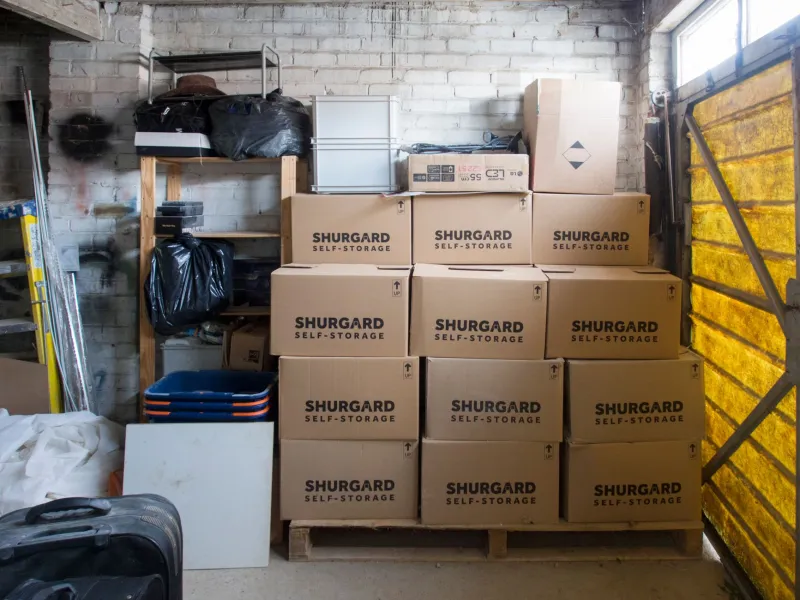
Every UK loft has one: the box corner. A phone box inside a console box, beside a kettle box that somehow survived three house moves. It feels responsible. It feels like insurance against a future resale. But in 2026, with more of us swapping and selling online than ever, it is worth asking a blunt question: does all that cardboard actually pay you back?
The cardboard comfort blanket
Original packaging has a powerful psychological pull. A box suggests care. It suggests the gadget has been looked after, that the charger is probably still in the little paper sleeve, and that the previous owner did not lose the manual behind a radiator. For a buyer scrolling through listings, that can matter.
But there is a difference between a box that helps a sale and a box you are keeping because throwing it away feels like admitting the gadget is no longer new. The first is a small advantage. The second is a storage habit wearing a practical costume.
What buyers actually pay for
When you sell or swap a phone, tablet or console, most buyers are focused on condition, battery health, storage size, whether it is locked to an account, and whether it works. A box is a nice extra. It is rarely the reason a deal happens.
In a competitive UK resale market, a clean device with honest photos and a clear handover plan will usually beat a scuffed device with a perfect box. The packaging can tip a maybe into a yes when two listings are otherwise identical. It can add a little polish. It does not turn a tired gadget into a premium one.
That is the key distinction for swappers: packaging is a presentation aid, not a value guarantee. If you are holding onto boxes in the belief that they are protecting hundreds of pounds, it is worth checking that belief against the space they take up.
The hidden bill: space, damp and moving day
A box does not cost you anything at the moment you fold it flat and put it in the loft. That is the trick. The cost arrives later.
UK lofts are not archival storage. They swing from cold to warm, they collect damp, and they are favourite territory for dust, spiders and the occasional silverfish. Cardboard absorbs moisture. Printed sleeves can warp. Foam inserts can go crumbly. A box that looked mint on the day it went up can come down smelling like an old shed.
Then there is the space itself. In a flat or a terraced house, a loft full of packaging is space you cannot use for anything else. If you have ever paid for a storage unit, even briefly, you know the maths gets awkward fast. A box that might add a few pounds to a sale is not much of a return if it has spent years occupying room you could use for actual things.
And moving day is the great reveal. Boxes that were invisible in the loft suddenly become objects that need to be packed, carried and unpacked. They take up van space. They get crushed. They arrive at the new place and go straight back into another loft. At that point, the packaging is not protecting value. It is just travelling.
Keep or recycle: a practical guide
The answer is not to bin every box on sight. Some packaging genuinely earns its keep. The trick is to be honest about why you are keeping it and how long you are prepared to store it properly.
Phones and tablets
Keep the box if you are likely to sell or swap the device within the next 12 to 18 months and you have a dry, clean storage spot. A phone box is small, and it can make a listing look tidy. Recycle it if the device is older, if the box is already damaged, or if you know you are the kind of person who keeps phones until they stop working. In that case, the box is not insurance. It is a souvenir.
Games consoles
Standard console boxes are bulky and rarely worth the loft space they consume. Special editions and collector-focused consoles are a different story, especially if the box art and inserts are part of the appeal. Keep those only if the box is in good condition and stored flat and dry. For a standard console you bought to play, recycle the box once the return window has passed and you are confident you will not be moving it on soon.
Small appliances
Kettles, coffee machines and blenders often come in boxes that are useful for warranty returns or for moving house. That is a fair reason to keep them for the first year. After that, ask yourself whether you have ever actually used the box. If not, flatten it. Keep the manual and any warranty paperwork in a folder instead. They take up far less room and are more useful when something goes wrong.
Smart home kit
Smart plugs, cameras and hubs come in small boxes, which makes them easy to hoard without noticing. Keep packaging for anything you might resell within a year, especially if the box contains setup codes or serial number labels you might need. Otherwise, recycle it and take a photo of the label before you do. That photo is often more useful than the box itself.
The 20-minute box audit
If you are not sure where to start, try this. Go to the loft with a bin bag and a flat surface. Pick up each box and ask three questions. Have I opened this in the last two years? Would I realistically sell or swap this item in the next year? Is the box still dry and undamaged?
If the answer is no to all three, recycle it. If you get a yes to the second question, keep it only if you have a proper dry spot. Do not keep a damp box because the gadget inside was expensive. The box is not the gadget.
Release the clutter, keep the proof
Before you recycle anything, take a quick photo of the box label and any serial numbers. If you are selling later, that photo gives you the useful part of the packaging without the loft space. For warranty purposes, a digital copy of the receipt is worth more than a cardboard shell.
Recycle cardboard through your council kerbside collection where accepted, and remove tape and plastic inserts first. Polystyrene and soft plastic usually need to go elsewhere, so check your local recycling centre rather than hoping for the best.
In 2026, the smart swap-first home is not the one with the most original boxes. It is the one that knows which bits of the past are worth carrying forward. Keep the packaging that genuinely helps a handover. Recycle the rest. Your loft will thank you, and your next move will be lighter.