The Postage Paradox: What a 'Free' Swap Really Costs in 2026
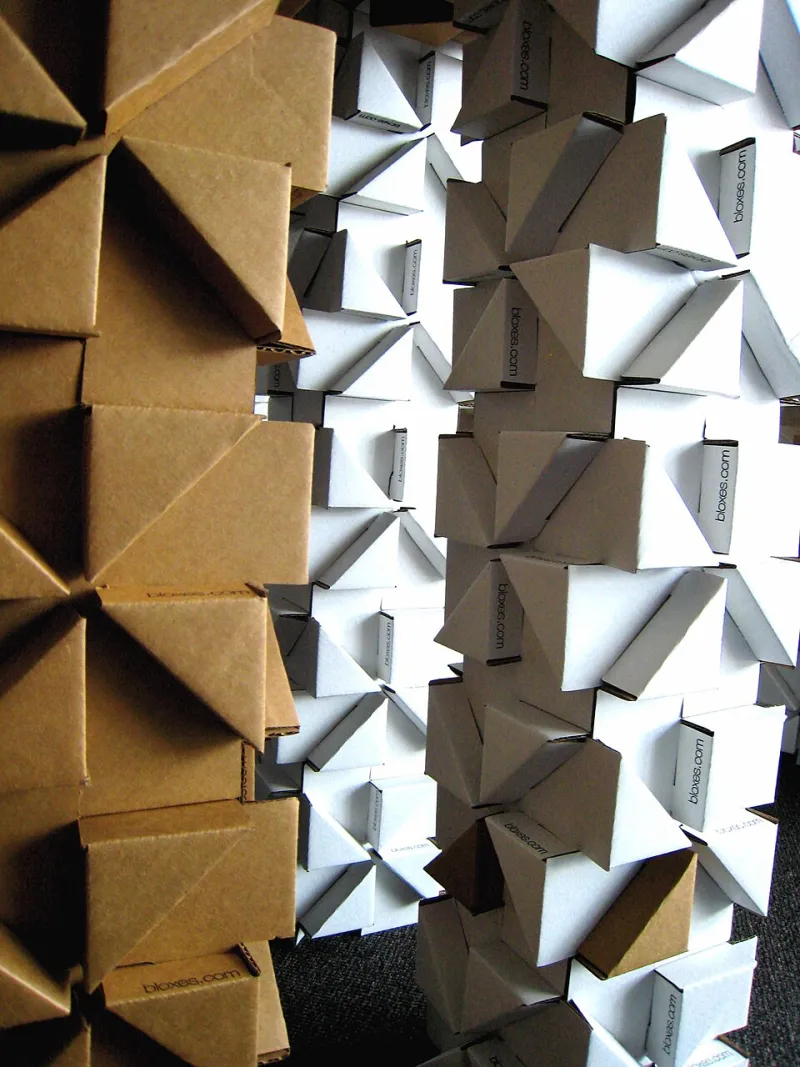
Photo: cogdogblog, CC0, via Wikimedia Commons
The 'free' bit is rarely the whole story
On the surface, a swap app looks like pure upside: someone else's unwanted thing becomes yours, no new manufacture, no landfill. But the circular economy still runs on miles, labels and tape. In 2026, UK swappers have more routes than ever — post, locker, doorstep pickup, local meet-up, community hub — and each has a different bill for your wallet and the atmosphere. The trick is not to pick the 'greenest' option in the abstract. It is to pick the right one for the item, the distance and the trip you were already making.
Post versus pavement: the trade-offs
Posting wins on convenience and reach. Platforms such as Vinted, eBay, Depop and Shpock have made labels and drop-off networks feel seamless. A well-run courier route can be efficient: one van delivering dozens of parcels in a dense urban area often beats dozens of separate car journeys. But that advantage shrinks when a parcel travels solo, in oversized packaging, or when you drive to a drop-off point you would not otherwise visit.
Local handover wins when it is genuinely local. A walk, cycle or bus ride to a neighbour is hard to beat. So is a meet-up that slots into an existing commute. The problem is the 'quick drive'. A 20-mile round trip in a small petrol car is roughly 32 km. At typical small-car emissions of about 170–200g CO2e per km, that is in the region of 5–6kg CO2e — before you count cold-engine inefficiency or traffic. For a £5 lamp, that is a poor trade.
Packaging is not free either
A new poly mailer might weigh 20–40g and carry its own plastic footprint. Reusing a box or padded envelope avoids new material, but only if you already have one and do not buy tape, labels or filler specially. The greenest parcel is usually the one that reuses packaging you would otherwise bin, fits the item snugly, and travels in a consolidated courier network. The worst is a cheap item wrapped in new bubble wrap and sent by a dedicated trip.
When posting genuinely wins
Post is often the better call when the item is light, valuable or hard to find locally. Think a £40 jacket, a phone case, a rare book, a games console accessory. If you can reuse packaging, drop it at a locker on your normal route, and the buyer pays postage, the carbon and cash maths can stack up. It also keeps goods in circulation across regions where local demand is thin — a real circular-economy benefit.
When local wins
Local wins for bulky, low-value or fragile items: a £5 bookshelf, a bag of kids' clothes, a bulky toy. It also wins when the handover is a genuine walk or cycle, or when you can combine it with another errand. Community apps such as Olio, Freegle, Nextdoor and local Facebook groups make this easier. The key is honesty about the trip. If you are making a dedicated 20-mile drive, the swap is no longer free.
The awkward cases
The awkward cases are where most 'green' claims fall apart. A £5 item that needs a 20-mile drive is usually better donated locally, passed to a neighbour, or left for a doorstep collection. A bulky item that is cheap to buy new may not be worth any trip at all. But a single trip for five swaps changes the maths — one journey, several items rehomed. That is why batching beats daily micro-trips.
A simple decision framework
- Value and weight. If the item is under £10 and bulky, go local or donate. If it is light and worth £15+, post is usually fine.
- Distance and mode. Walking, cycling or bus? Swap. Dedicated 20-mile drive? Pause.
- Packaging. Can you reuse what you have? If not, add the cost to the comparison.
- Trip stacking. Can you post or meet on a route you already travel? If yes, the footprint drops.
- Buy-new baseline. Compare against the likely new price and the likelihood you would actually buy new. A swap that replaces a planned purchase is a bigger win than one that replaces nothing.
What platforms could do next
The next improvement is not more stuff — it is better routing. Platforms could nudge users toward local collection when distance is short, bundle multiple parcels, or highlight locker drop-offs on commuter routes. They could also make packaging reuse a first-class option, not an afterthought. For now, swappers have to do that maths themselves.
Swap smarter, not just more
The circular economy is not a licence to swap endlessly. It is a way to get more use from what already exists. A free swap with a hidden 6kg carbon bill is not a bargain. A slightly less convenient handover that fits your walk to the shops often is. WeSwap's view is simple: count the whole journey, not just the price tag. Then swap smarter and live greener.