The Break Room Barter Shelf: How UK Offices Became Quiet Swap Hubs
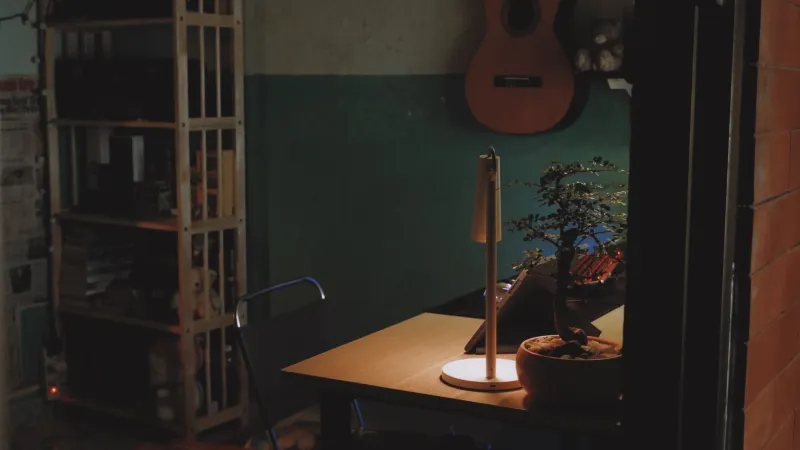
There is a particular kind of object that lives in every UK office. It is not quite rubbish and not quite useful. It is the spare charger with the frayed end, the desk lamp that arrived with a monitor and never left, the paperback someone finished on a lunch break in 2023, and the plant that is somehow still alive beside the biscuit tin.
Most of us walk past this stuff every day. In 2026, with resale apps busier than ever and postage costs still making small swaps feel faintly ridiculous, the humble office cupboard is having a quiet moment. It may not have a flashy interface, but it has something many platforms would kill for: built-in trust and zero delivery time.
The case for the cupboard over the app
Marketplace apps are brilliant for reaching strangers across a city. They are less brilliant when you are trying to move a £6 desk fan or a three-pack of USB-C cables. By the time you have photographed it, written a listing, answered four messages asking “is this still available?”, and queued at the Post Office, the economics have collapsed.
A workplace swap shelf removes almost all of that friction. The item is already in the building. The other person has a name, a desk and a reason to behave reasonably. You can inspect the thing before it leaves the room. And if it turns out to be a dud, you have not burned a Saturday morning on a handover in a retail car park.
That is not to say the office shelf beats apps on everything. It will never have the range of a national platform, and it relies on a critical mass of people. But for the small, boring, useful stuff that clogs up UK homes — chargers, cables, books, plants, mugs, kitchen gadgets, desk lamps — it is often the faster and more human option.
Setting up a shelf that people actually use
Start small and resist the urge to build a system before you have a habit. One shelf, one notice, one clear rule: bring something you no longer need, take something you will genuinely use. No money changes hands. No haggling. No “collection only, no time-wasters”.
Location matters more than signage. A cupboard in a corridor nobody walks down will fail. A shelf near the kettle, the printer or the main meeting-room cluster will work because people already linger there. If you can, get facilities or office management on side first — not to run it, but to confirm you are not blocking a fire exit or creating a PAT testing headache.
Electricals need a sensible line. Only accept items with a visible plug, no obvious damage and a reasonable age. If your workplace already PAT tests equipment, ask whether donated electricals can be included. If not, keep it simple: chargers, cables, lamps and small kitchen gadgets are fine, but anything with a swollen battery, exposed wire or mysterious burning smell goes to recycling, not the shelf.
Etiquette without a committee
The fastest way to kill an office swap shelf is to make it feel like a workplace initiative with minutes and action points. The second fastest is to let it become a dumping ground.
A few light-touch rules usually do the trick. Label the shelf clearly. Add a “please take only what you will use” note. Ask people to wipe down kitchen items and check that chargers actually fit the device they are meant for. Keep personal care items, underwear, food and anything vaguely confidential out of the scheme. And agree a simple quiet period: if something has sat untouched for a month, it is fair game for charity donation or recycling.
There is also a subtle social norm worth naming. The best office swap shelves are not pure take-and-take. They work because people occasionally put something in without expecting something out. That might be a spare mug, a pack of unused notebooks or a book they have already read. The shelf stays useful because it is not a one-way clearance event.
Record-keeping that takes minutes, not meetings
You do not need a database. A shared spreadsheet or a notebook by the shelf is enough. Record the date, a short description, roughly what it would have cost to buy new, and whether it was taken, donated or recycled. Use initials rather than full names if people are sensitive about privacy. The point is not surveillance. It is a light memory aid so the shelf does not become a mystery.
That tiny log also gives you something valuable: evidence. At the end of a quarter, you can add up the replacement value of items that found a new home. If ten people avoided buying a £12 charger and someone else rehomed a £20 lamp, that is £140 not spent on new stuff. It is not a fortune, but it is real, and it is far more persuasive than a vague claim that swapping is a good idea.
Counting the carbon without overclaiming
Carbon accounting for small swaps is messy. A phone charger is not a fridge. The honest approach is to use rough, transparent estimates rather than pretend you have measured every gram. For small electronics, many carbon calculators suggest a few kilograms of CO2e per item; for books and plants, the figure is lower and more variable. Treat any number as an indicative saving, not a certified audit.
A simple method is to group items into broad categories — small electricals, books, kitchenware, plants — and apply a conservative estimate per item. Then publish the total with a note explaining the assumptions. That keeps the exercise useful without turning a break-room shelf into a carbon-accounting project. At WeSwap, we would rather see a rough number with honest caveats than a suspiciously precise figure that nobody believes.
Keep it a habit, not a chore
A monthly ten-minute reset is usually enough. Check for damaged items, clear out the obvious rubbish, update the log and put up a fresh note if the shelf is looking tired. Rotate the role if you can. One enthusiastic person can start it; a rota of two or three keeps it alive when that person is on annual leave.
The bigger win is cultural. Once people know the shelf exists, they start seeing their own cupboards differently. The spare charger becomes a swap waiting to happen. The duplicate mug becomes someone else’s useful thing. The office does not need a grand circular-economy strategy to make that shift. It just needs a shelf, a bit of trust and a break room where people already pause for tea.
Swap smarter, live greener — sometimes the network is already in the building.